GAZA
Free Palestine
HAMAS
The Digital Battlefield: Cyber Warfare’s Impact on Israel-Hamas War

Bader Fahel
CIS Student at JU, Director
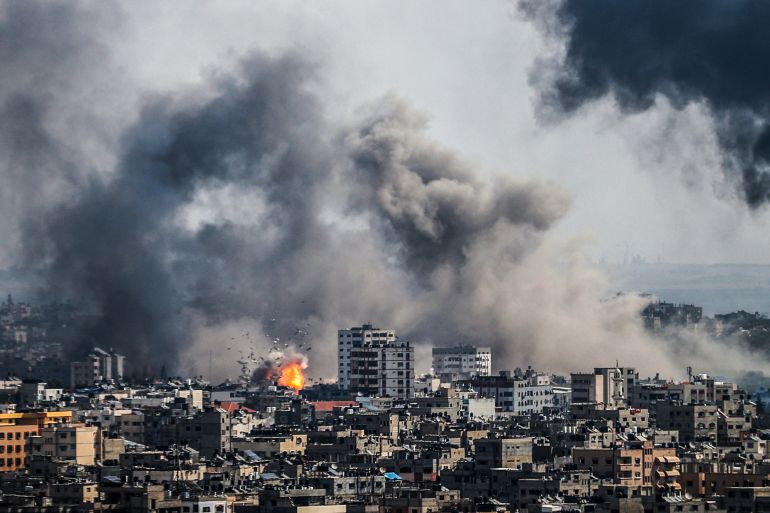
Over the course of human history, technology has played a pivotal role in
shaping the nature of warfare. Today, as we depend more and more on the
digital world, a new facet of warfare has emerged. Any adversarial nation or
group now possesses the capability to target this integral aspect of modern
life.
In today's world, even a single person can cause enormous damage, possibly even more than a conventional army. On the darker side ofthis reality, malicious hackers apply their skills for illicit ends. On the other hand, there are many resistance fighters, also known as hacktivists, who use their skills to protect others and fight injustice.
Moreover, many attacks on Israeli websites have been conducted; for example, some Jordanian hackers took over the English page of the official website of the Israeli military, publishing a message in solidarity with the people of Gaza. They left a message reading, "Your arrogance and oppression against our people in Gaza will bring you nothing but fear, death, and war—be it in the air, on the ground, or in cyberspace.". Furthermore, some hacktivists targeting Israeli businesses said they will pause as the fight stops. These act of individuals aligning with Gaza and engaging in hacking operations against Israel serves as a digital demonstration of solidarity, amplifying their support in the face of the Israeli aggression.
The Israel-Hamas war demonstrates the growing role of cyberspace in warfare. Further, the war impacts the ongoing political discussion over the regulation of cyber operations in the context of armed assaults. It also shows the significance of taking a stance amid the escalating tensions. In light of the reported barbarism and civilian casualties caused by Israel's actions, aligning with Palestine and Gaza becomes not just a diplomatic choice but a moral imperative.
As pixels replace bullets, the cyber front in support of Gaza against Israel underscores the evolving nature of warfare, where virtual battlegrounds redefine the balance of power and thrust individual actors into pivotal roles. Where during the first weeks of the Israel-Hamas war, there was an increase in cyberattacks on targets in Israel.
Through targeted actions on Israeli sites, the pro-Palestinian hacking operations weave a virtual tapestry of resistance. Some Gaza-based hackers, referred to as Storm 1133, have been aiming at Israeli private-sector energy, defense, and telecommunication organizations. Another successful attack was directed against the Israeli rocket alarm application “Red Alert.” An application used by Israeli citizens to receive notifications of incoming rocket attacks got hacked into sending fake notifications. Also, vulnerabilities were exploited to hack the digital billboards and present the Palestinian flag.
In today's world, even a single person can cause enormous damage, possibly even more than a conventional army. On the darker side ofthis reality, malicious hackers apply their skills for illicit ends. On the other hand, there are many resistance fighters, also known as hacktivists, who use their skills to protect others and fight injustice.
Moreover, many attacks on Israeli websites have been conducted; for example, some Jordanian hackers took over the English page of the official website of the Israeli military, publishing a message in solidarity with the people of Gaza. They left a message reading, "Your arrogance and oppression against our people in Gaza will bring you nothing but fear, death, and war—be it in the air, on the ground, or in cyberspace.". Furthermore, some hacktivists targeting Israeli businesses said they will pause as the fight stops. These act of individuals aligning with Gaza and engaging in hacking operations against Israel serves as a digital demonstration of solidarity, amplifying their support in the face of the Israeli aggression.
The Israel-Hamas war demonstrates the growing role of cyberspace in warfare. Further, the war impacts the ongoing political discussion over the regulation of cyber operations in the context of armed assaults. It also shows the significance of taking a stance amid the escalating tensions. In light of the reported barbarism and civilian casualties caused by Israel's actions, aligning with Palestine and Gaza becomes not just a diplomatic choice but a moral imperative.
As pixels replace bullets, the cyber front in support of Gaza against Israel underscores the evolving nature of warfare, where virtual battlegrounds redefine the balance of power and thrust individual actors into pivotal roles. Where during the first weeks of the Israel-Hamas war, there was an increase in cyberattacks on targets in Israel.
Through targeted actions on Israeli sites, the pro-Palestinian hacking operations weave a virtual tapestry of resistance. Some Gaza-based hackers, referred to as Storm 1133, have been aiming at Israeli private-sector energy, defense, and telecommunication organizations. Another successful attack was directed against the Israeli rocket alarm application “Red Alert.” An application used by Israeli citizens to receive notifications of incoming rocket attacks got hacked into sending fake notifications. Also, vulnerabilities were exploited to hack the digital billboards and present the Palestinian flag.

